Understanding the Shift Away from Traditional Cable Infrastructure
For decades, traditional cable television was the undisputed king of home entertainment. However, as we move through 2026, a massive shift in consumer behavior is accelerating. The debate of iptv vs cable has largely been settled for modern households. Millions of Americans are actively choosing to switch from cable to iptv, abandoning legacy providers in favor of digital streaming.
This mass migration, commonly referred to as cord cutting, isn't just a fleeting trend. It is a fundamental evolution in how media is delivered and consumed. To understand why this shift is happening, you must look closely at the underlying technology and the restrictive business models that legacy cable companies refuse to abandon.
How Cable Delivery Limits Your Viewing Options
Traditional cable relies on a closed network of physical coaxial lines running from local distribution hubs directly into your home. This physical infrastructure inherently limits the amount of bandwidth available. Consequently, cable providers are forced to compress video feeds aggressively and cap the total number of channels they can broadcast simultaneously. You are essentially trapped within a localized geographical boundary, restricted to whatever regional networks the telecom monopoly decides to offer you.
The Evolution of Internet Protocol Television
Internet Protocol Television, or IPTV, shatters those physical boundaries. Instead of transmitting all channels at once through a copper wire, it delivers media in discrete digital data packets directly over your broadband connection. You only receive the data for the specific show you are actively watching. This highly efficient IPTV technology frees up massive amounts of bandwidth, allowing premium services like Krooz TV to offer tens of thousands of global channels, on-demand movies, and uncompressed 4K video streams.
IPTV vs Cable: Breaking Down the Real Costs
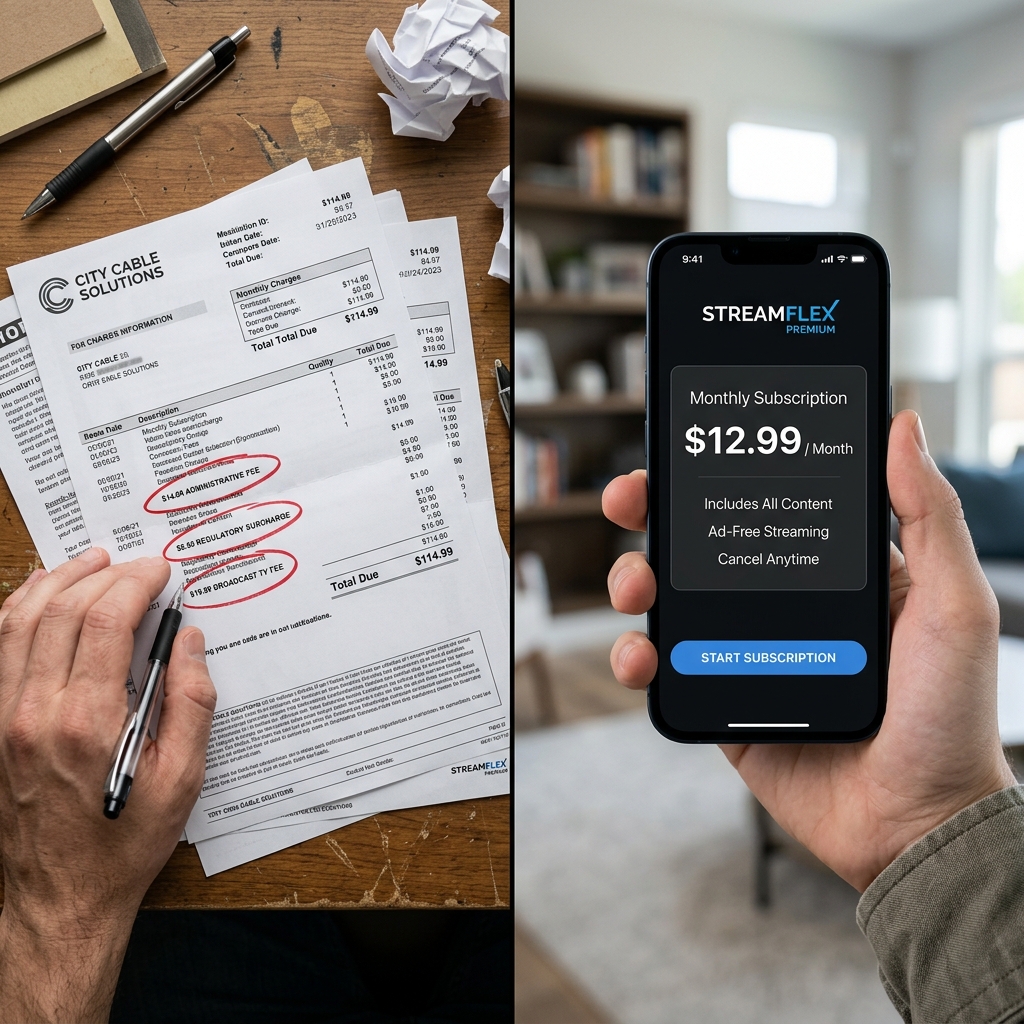
The primary catalyst driving the transition to internet-based television is economics. When analyzing the true cost of maintaining a traditional cable subscription versus a modern streaming alternative, the financial disparity is staggering. The average American household is spending well over $150 per month on basic cable packages that include hundreds of channels they never actually watch.
The iptv subscription cost is structured entirely differently. It is a modern, transparent model designed for consumer flexibility rather than corporate lock-in. When comparing the two, you must look beyond the promotional pricing advertised by telecom giants and examine the final, out-the-door monthly bill.
Hidden Cable Fees and Equipment Rental Charges
Cable companies are notorious for artificially inflating their advertised rates. While a package might be marketed at $89 a month, the actual bill quickly escalates. You are routinely subjected to mandatory regional sports fees, local broadcast surcharges, and the highly controversial "HD Technology" fees. Furthermore, you must lease their proprietary, often outdated set-top boxes, adding $10 to $20 per television, per month, in perpetuity.
The Transparent Pricing Model of IPTV Subscriptions
In stark contrast, a premium cable tv alternative like Krooz TV operates on a flat-rate subscription model. If a plan is advertised at $15 a month, you pay exactly $15 a month. There are no hidden broadcast surcharges, no mandatory hardware leases, and absolutely no binding annual contracts. You maintain the freedom to cancel or renew your subscription on a month-to-month basis, restoring total control over your entertainment budget.
Comparing Content Variety and Global Access
Beyond the financial savings, the sheer volume of content available through internet streaming dwarfs anything a local telecom provider can offer. A traditional cable package usually caps out at a few hundred channels, heavily padded with shopping networks and duplicate standard-definition feeds. If you want specialized content, you must pay for expensive add-on packages.
An IPTV subscription acts as a global passport to media. Because the content is delivered via the internet, geographical limitations disappear. Subscribers gain instant access to a vast, curated library of international television, local news broadcasts from different states, and specialized programming that would be impossible to find on a localized cable network.
Regional Restrictions on Traditional Broadcasts
If you are a sports fan living out-of-market, traditional cable is exceptionally frustrating. Blackout rules and regional broadcasting rights mean you frequently cannot watch your favorite team play unless you purchase exorbitant, league-specific season passes. Cable companies actively restrict your viewing options based entirely on your physical zip code.
Unlocking International Channels and Live Sports
Internet streaming bypasses these archaic regional blackouts. A premium provider grants you access to international sports networks, Pay-Per-View events, and local channels from across the globe. Whether you want to watch European soccer leagues, regional American football games, or international news networks, the content is available instantly at your fingertips.

Hardware Requirements: Set-Top Boxes vs Smart Devices
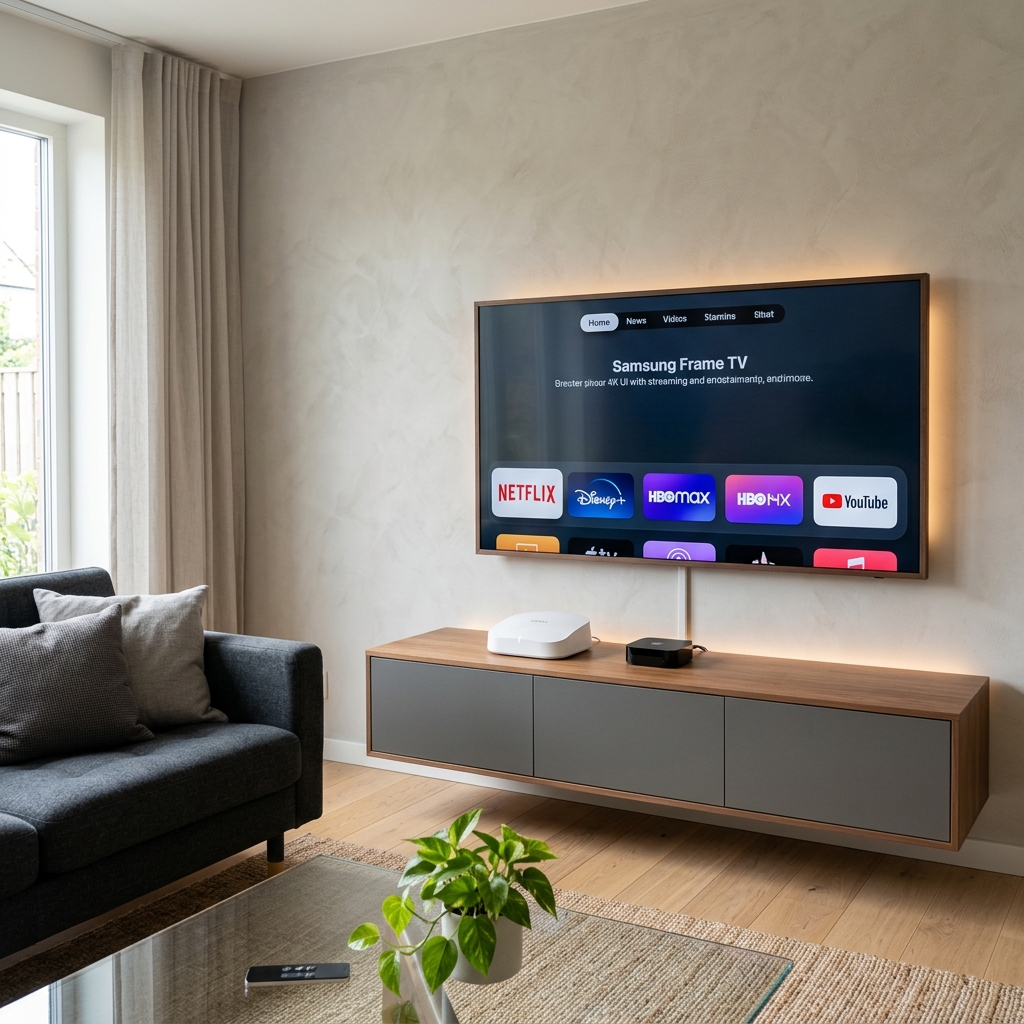
The hardware you use to interact with your television has drastically evolved. The era of the bulky, heat-generating cable box sitting in your living room is over. Cord cutting in 2026 means embracing sleek, powerful, and universally compatible smart devices that blend seamlessly into your home theater setup.
The difference in the hardware approach highlights the opposing philosophies of the two industries: cable companies want to control the hardware to enforce leasing fees, while internet streaming empowers you to use the technology you already own and prefer.
Why Cable Companies Force Hardware Rentals
Legacy providers require you to use their proprietary set-top boxes because the hardware is coded to decrypt their specific regional signal. This closed ecosystem prevents you from using third-party equipment, effectively trapping you into paying monthly rental fees indefinitely. The hardware is often refurbished, slow to navigate, and lacks integration with modern streaming applications.
Streaming on Devices You Already Own
Conversely, streaming services are hardware agnostic. You can download modern IPTV applications directly onto the best IPTV devices available today, such as an Amazon Firestick 4K, an Apple TV, or an NVIDIA Shield. This allows you to consolidate all of your entertainment—from Netflix to Krooz TV—into a single, lightning-fast user interface.
Making the Decision to Cut the Cord
If you are frustrated by rising costs and limited choices, making the switch to IPTV is a highly logical decision. The transition process is no longer reserved for highly technical individuals; it is now as simple as downloading an app on your smart television.
Before you cancel your legacy provider, taking a moment to evaluate your current setup will ensure a flawless transition to internet-based television.
Calculating Your Potential Annual Savings
Take a close look at your last three cable bills. Factor in the base package price, the broadcast TV fees, regional sports fees, and the rental cost of your set-top boxes. Compare that total against a premium, flat-rate streaming subscription. Most households discover they can save anywhere from $800 to $1,500 annually simply by switching providers.
Evaluating Your Home Internet Speeds for 4K Streaming
Because your television feed is now delivered digitally, a stable broadband connection is mandatory. To optimize your 4K streaming and avoid buffering during peak hours, ensure your household maintains a minimum internet speed of 30 Mbps. If possible, hardwire your streaming device directly to your router using an Ethernet cable for the most reliable performance.
How to Transition Seamlessly Without Losing Your Favorite Shows
The most common fear regarding cord-cutting is the perceived loss of familiar content. In reality, switching to a premium provider like Krooz TV actually expands your available viewing library. You will retain access to your local news, major broadcast networks, and premium movie channels, all within a vastly superior user interface.
Ready to Stop Overpaying for Cable?
Experience the freedom of contract-free, high-definition television. Krooz TV delivers thousands of live channels and massive on-demand libraries for a fraction of the cost of traditional cable.
View Pricing Plans